Hosting the FIFA World Cup means hosting the infrastructure requirements that come with it. For Miami, that means tens of thousands of fans arriving daily, broadcast operations running around the clock, temporary power loads across fan zones, hotels, transportation hubs, and logistics corridors, all concentrated in a metropolitan area during the peak of summer heat and hurricane season simultaneously.
The energy and logistics demands of an event at this scale are not just a World Cup problem. They are an extreme version of the same pressures that facility operators, fleet managers, and event organizers across South Florida navigate every day. What makes the World Cup useful as a reference point is that it makes those pressures visible at scale.
What Large-Scale Events Do to Local Energy Infrastructure
A stadium match draws 65,000 to 70,000 fans. The energy footprint extends far beyond the venue. Broadcast trucks require continuous, uninterruptible power that cannot tolerate a momentary gap. Temporary lighting, sound systems, and displays at fan zones draw significant electrical loads from infrastructure not designed to support them permanently. Hotels at peak occupancy run HVAC, elevators, kitchens, and laundry operations continuously. Transportation hubs managing tens of thousands of daily movements consume power at event-scale rates, not typical daily ones.
All of this lands on a grid that is simultaneously managing peak summer cooling loads across the region. The result is a concentrated demand spike that exposes the same structural vulnerability that affects commercial and industrial facilities year-round: infrastructure built for average conditions that strains under peak ones.
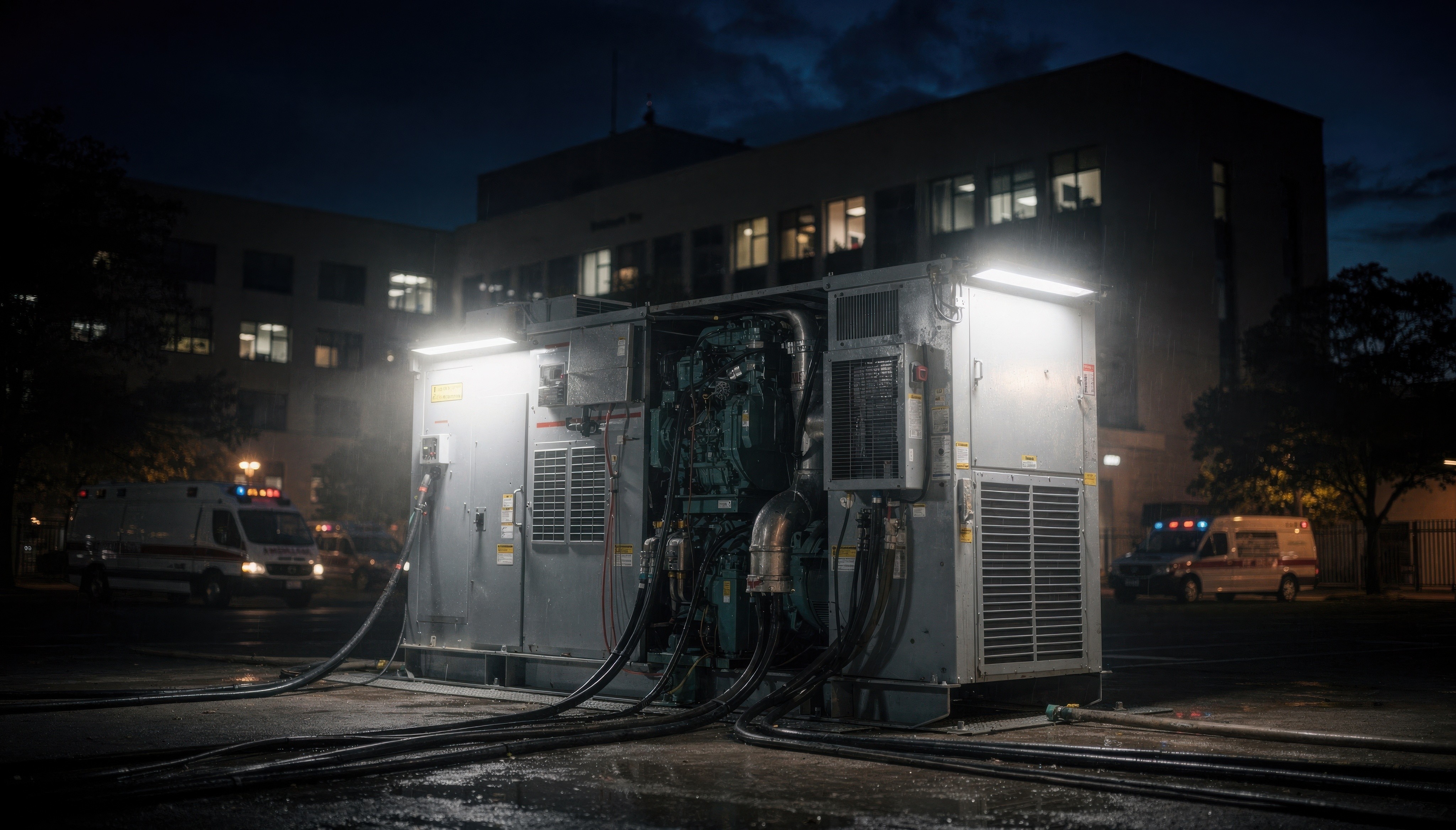
The facilities and operators that perform well in this environment share a common characteristic. They are not simply the ones with the largest generators. They are the ones whose energy infrastructure was designed to operate independently of the grid when conditions require it: through on-site generation, battery storage, and intelligent control systems that manage the transition automatically.
Mobile Fueling at Event Scale
Fuel is one of the least-discussed but most operationally critical components of a large-scale event. Generators powering broadcast operations, temporary lighting, and cooling systems require continuous fuel supply. Fleet vehicles handling shuttle operations, logistics, and security require fueling on schedules that cannot accommodate a trip to a commercial gas station in gridlocked traffic.
The traditional fueling model breaks down completely in an event environment. Road closures eliminate direct routes to fuel stations. Congestion multiplies travel time. Pulling a vehicle out of service for fueling during a major event carries an operational cost that simply does not exist on a normal day.
Mobile fueling solves this by bringing fuel directly to where vehicles and equipment are operating, on a schedule that matches demand rather than convenience. For large-scale event operations, it is not a premium add-on. It is a logistical necessity that eliminates one of the most predictable operational bottlenecks in event management, and the same capability that makes it valuable during a World Cup makes it equally valuable during a hurricane, a heat emergency, or any period of concentrated operational demand.
What NextNRG and EzFill Bring to This Environment
NextNRG designs and deploys AI-driven microgrid systems that integrate on-site energy generation, battery storage, and intelligent energy management for facilities, fleets, and infrastructure operators across Florida and the Southeast. Our Microgrid Controller provides millisecond islanding capability that maintains uninterrupted power regardless of grid conditions. Our AI-driven forecasting engine anticipates demand patterns and positions energy resources proactively. It coordinates all energy assets in real time, automatically managing the balance between grid power, on-site generation, and stored energy.
EzFill, NextNRG’s mobile fueling platform, provides on-demand mobile fuel delivery to fleets, facilities, and equipment nationwide. For event logistics, generator operations, and fleet fueling during periods of concentrated demand, EzFill eliminates the fueling trip from the operational equation entirely.
The World Cup will leave Miami in July. The energy and logistics infrastructure lessons it reveals will remain relevant for every major event, every hurricane season, and every peak demand period that follows.
Contact the NextNRG team at nextnrg.com to discuss what resilient energy infrastructure looks like for your facility or fleet operation.
This post is for informational purposes only and does not constitute investment or financial advice. NextNRG, Inc. (NASDAQ: NXXT).
Don’t Miss Out
Join our newsletter to get latest insights for your brand growth!