For years, commercial energy optimization followed a familiar formula: install rooftop solar, pair it with battery storage, and finance the project through a long-term Power Purchase Agreement (PPA). When the site is suitable, it remains one of the most effective ways to reduce energy costs without upfront capital.
But many facilities don't have enough roof space, favorable structural conditions, or cost-effective utility interconnection to support solar generation. Until recently, those buildings had few meaningful alternatives.
Today, battery storage has become a compelling standalone solution capable of reducing demand charges, improving energy resilience, and lowering operating costs even without on-site solar.
What Battery Storage Solves on Its Own
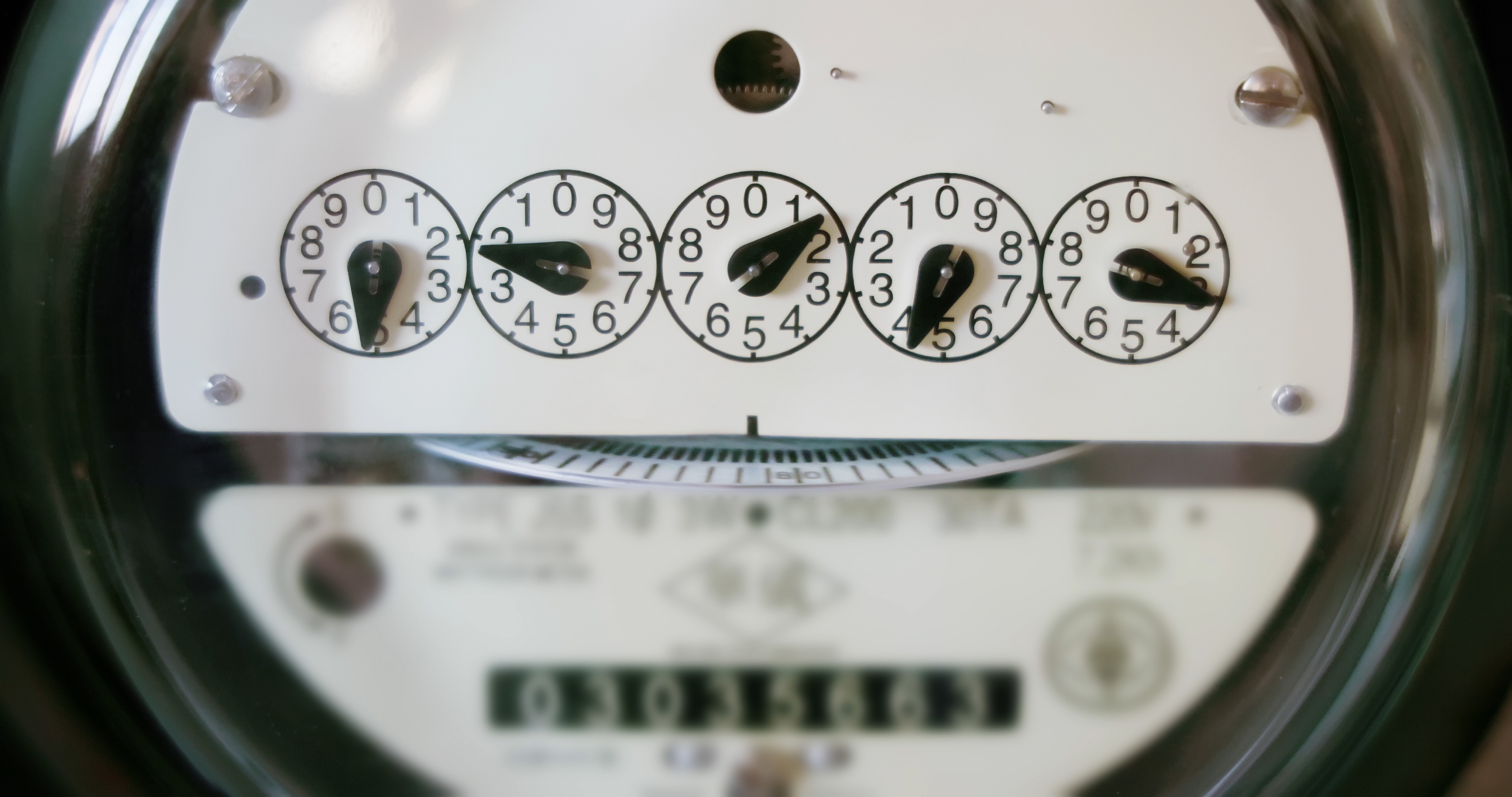
The core financial problem that battery storage addresses is peak demand charges, the fee utilities levy based on a facility's highest 15-minute power draw in a given billing period. Utilities assess demand charges because they must maintain enough grid capacity to meet a customer's highest moment of electricity usage, even if that peak lasts only a few minutes each month. Demand charges can account for 30-50% of a commercial facility's total electricity bill, and they cannot be reduced through energy efficiency measures alone. A facility that cuts its overall energy consumption by 20% through lighting upgrades and HVAC optimization will see minimal reduction in demand charges if its peak demand profile remains unchanged.
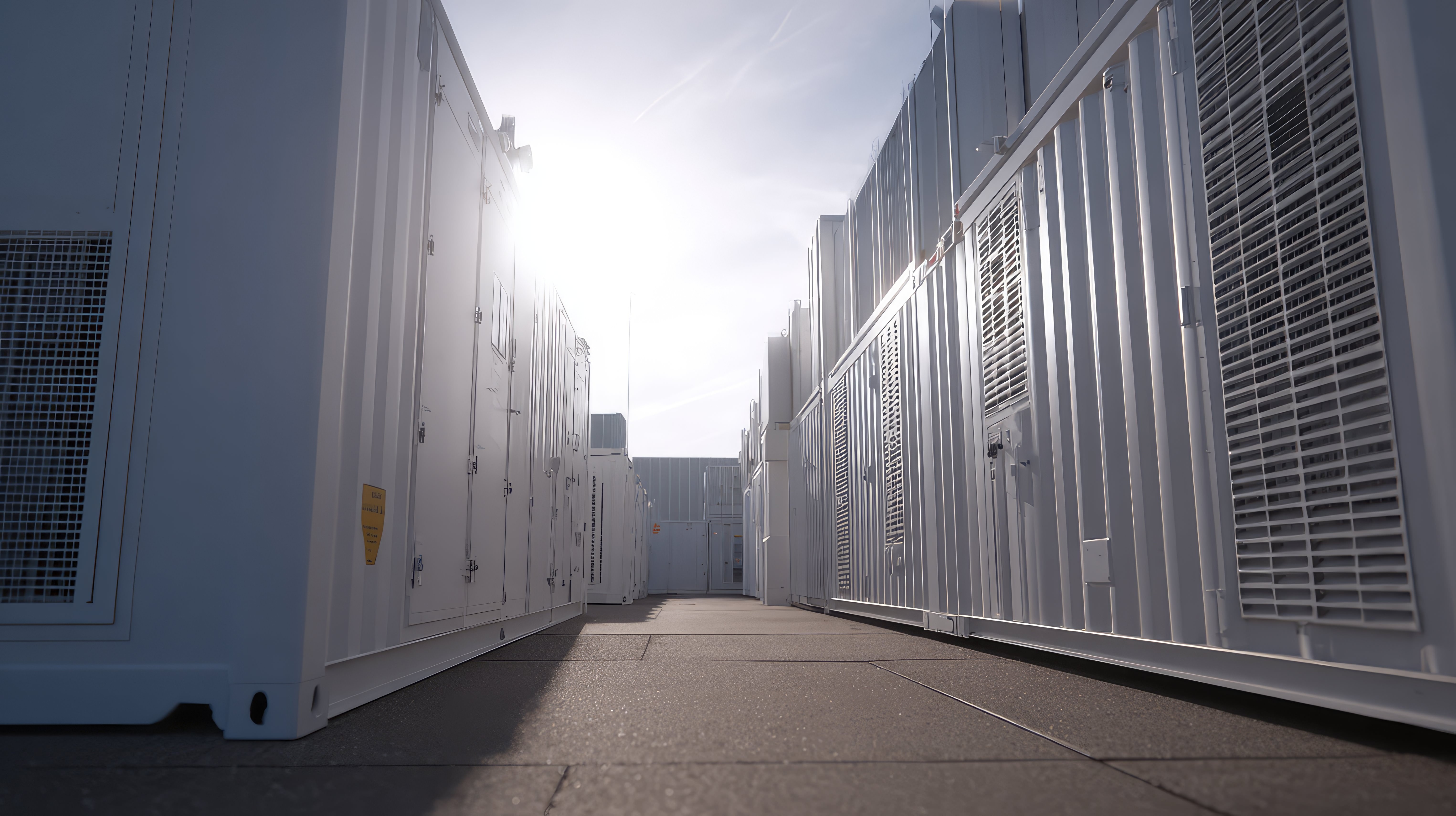
Battery storage with intelligent dispatch addresses this directly. A properly configured battery energy storage system (BESS) charges from the grid during low-demand periods and dispatches stored energy during high-demand windows, preventing the facility from reaching the peak setpoints that drive demand charges. Depending on the facility, this can reduce demand charge exposure by 40-60% through effective peak demand management.
That financial benefit exists entirely independent of whether the facility has any solar generation at all. The battery charges from the grid, dispatches intelligently, and the utility meter records a lower peak. The demand charge savings are real and they compound every month over the life of the system.
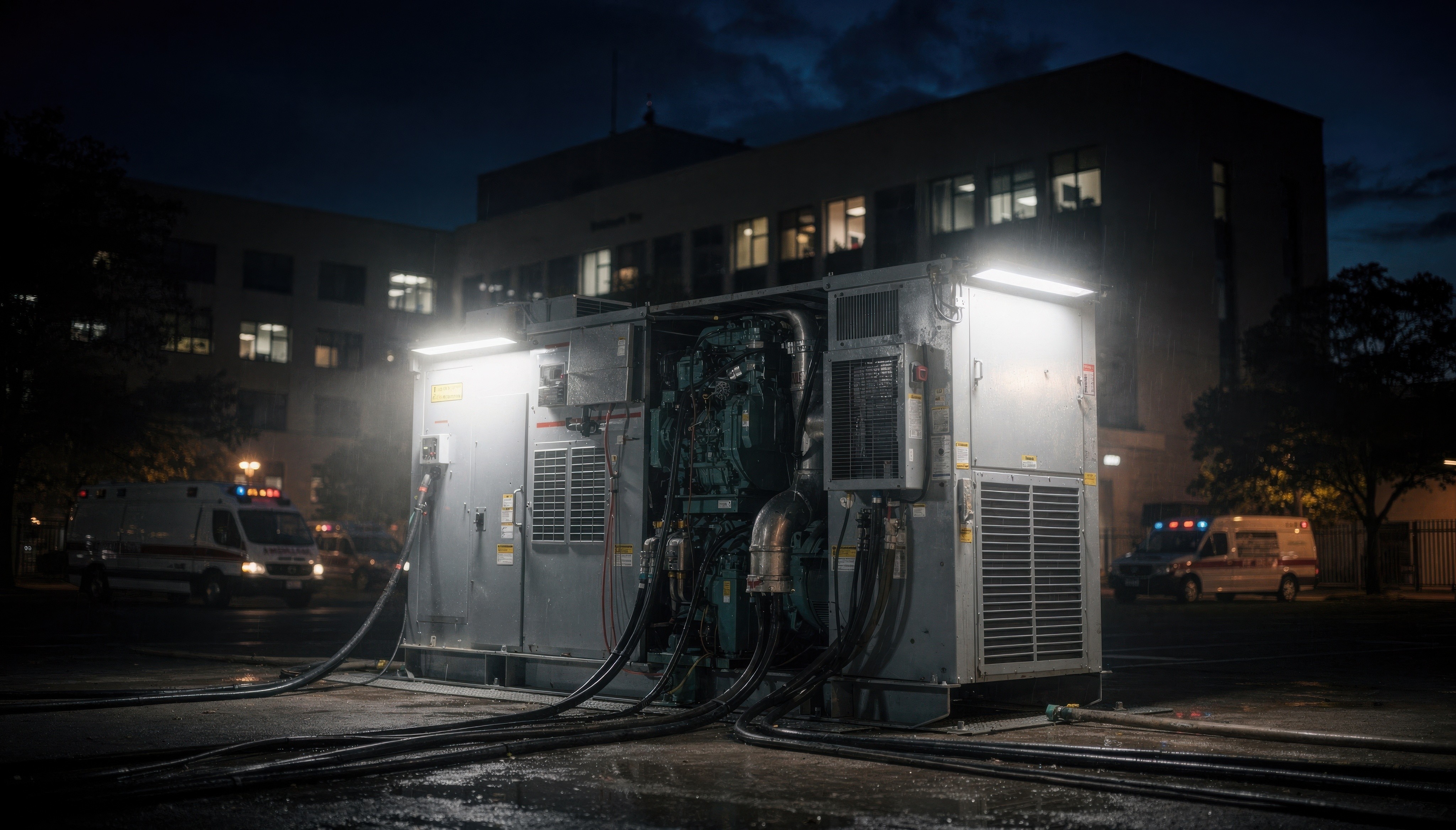
Beyond demand charge reduction, a battery storage system provides backup capability during grid outages. Even without solar generation to recharge the battery during an extended outage, a properly sized system can maintain critical loads for hours, long enough to bridge most short-duration grid events that account for the majority of commercial facility outage experiences.
Beyond lowering utility costs, battery storage is increasingly viewed as a resiliency asset. Healthcare facilities, distribution centers, manufacturers, and municipalities all face growing pressure to maintain operations during grid disruptions. Even without solar generation, commercial battery storage can keep critical systems online during short-duration outages while backup generation starts or grid service is restored.
The Emerging Commercial Model
As battery storage has matured as a standalone product, the financing structures supporting it have evolved alongside the technology. The Power Purchase Agreement, which works well for solar-plus-storage deployments where the developer owns generation assets producing measurable kilowatt-hours, is not always the most natural fit for a pure storage deployment.
An increasingly common alternative is the Energy Savings Agreement, sometimes called a Shared Savings Model. Under this structure, a third-party energy developer deploys and operates a commercial energy storage system at a commercial facility at no upfront cost to the facility. Rather than charging for energy delivered, the developer takes a share of the documented demand charge savings the system generates, typically determined by an independent auditor comparing the facility's demand charge exposure before and after deployment.
The financial alignment in this model is direct. The developer captures value only when savings are real and verified. The facility pays nothing unless the system performs. And because there is no upfront capital requirement, the facility's balance sheet is not affected.
This model opens the commercial energy optimization market to a significantly broader set of facilities than solar-plus-storage PPA structures alone can serve. Any commercial or industrial facility with meaningful demand charge exposure, regardless of its solar potential, is a candidate.
Solar Plus Storage Remains the Ideal
None of this suggests that battery storage replaces solar. For facilities where rooftop or ground-mounted solar is practical, combining generation with intelligent storage remains the most comprehensive energy infrastructure solution available. Solar offsets grid consumption during daylight hours, reducing the energy cost baseline. Storage captures and dispatches that solar generation intelligently, reducing peak demand charges. Together, they compound the financial benefit in ways that neither achieves alone.
The point is not that storage is better than solar-plus-storage. It is that storage alone is no longer a consolation prize for facilities that cannot do solar. It is a legitimate, financially compelling first step for those facilities, and increasingly, a core component of a broader energy strategy that may eventually include generation as well.
The market is moving in this direction. Battery costs have declined significantly over the past several years. Intelligent dispatch software has matured. At the same time, evolving grid reliability standards, increasing electrification, and growing resiliency requirements across many jurisdictions are creating conditions where battery storage deployments will continue to accelerate across commercial and industrial markets.
What NextNRG Builds
NextNRG designs and deploys AI-driven energy systems that integrate battery storage, on-site generation, and intelligent energy management for commercial and industrial facilities, healthcare campuses, municipal operators, and fleet-intensive organizations. We begin by evaluating how a facility consumes electricity rather than assuming every project requires the same solution, and we structure projects under both Power Purchase Agreement and Energy Savings Agreement models, selecting the financing structure that best fits each facility's specific circumstances and objectives.
For facilities where solar is viable, we deliver integrated solar-plus-storage systems under long-term PPAs that eliminate upfront capital requirements and lock in long-term energy cost predictability. For facilities where solar is not viable, we deploy intelligent battery storage systems under Energy Savings Agreements that generate real, audited demand charge reduction with no upfront cost to the facility.
Contact the NextNRG team at nextnrg.com to discuss which model fits your facility's energy infrastructure needs.
This post is for informational purposes only and does not constitute financial, legal, or engineering advice. NextNRG, Inc. (NASDAQ: NXXT).
Don’t Miss Out
Join our newsletter to get latest insights for your brand growth!