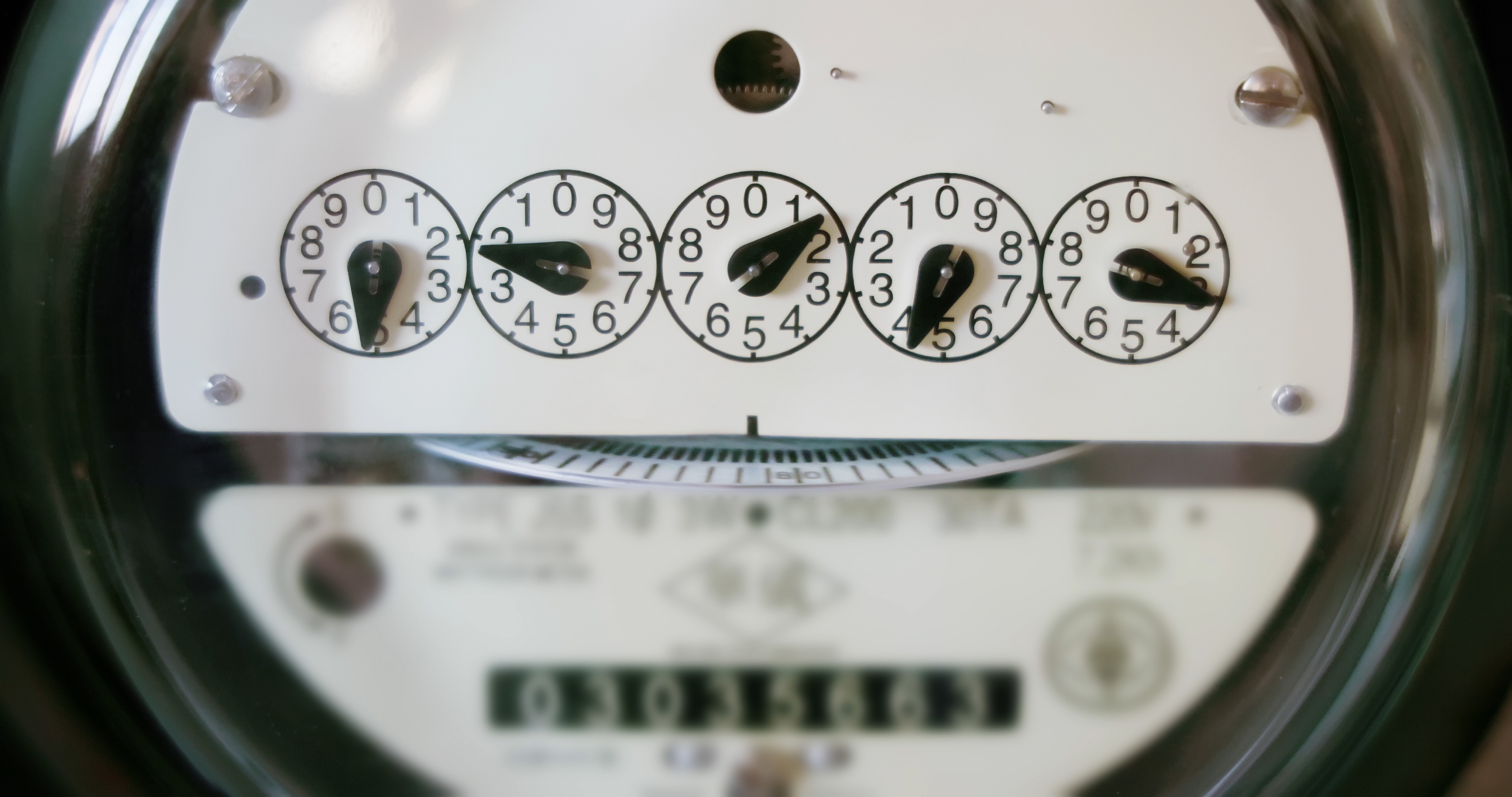
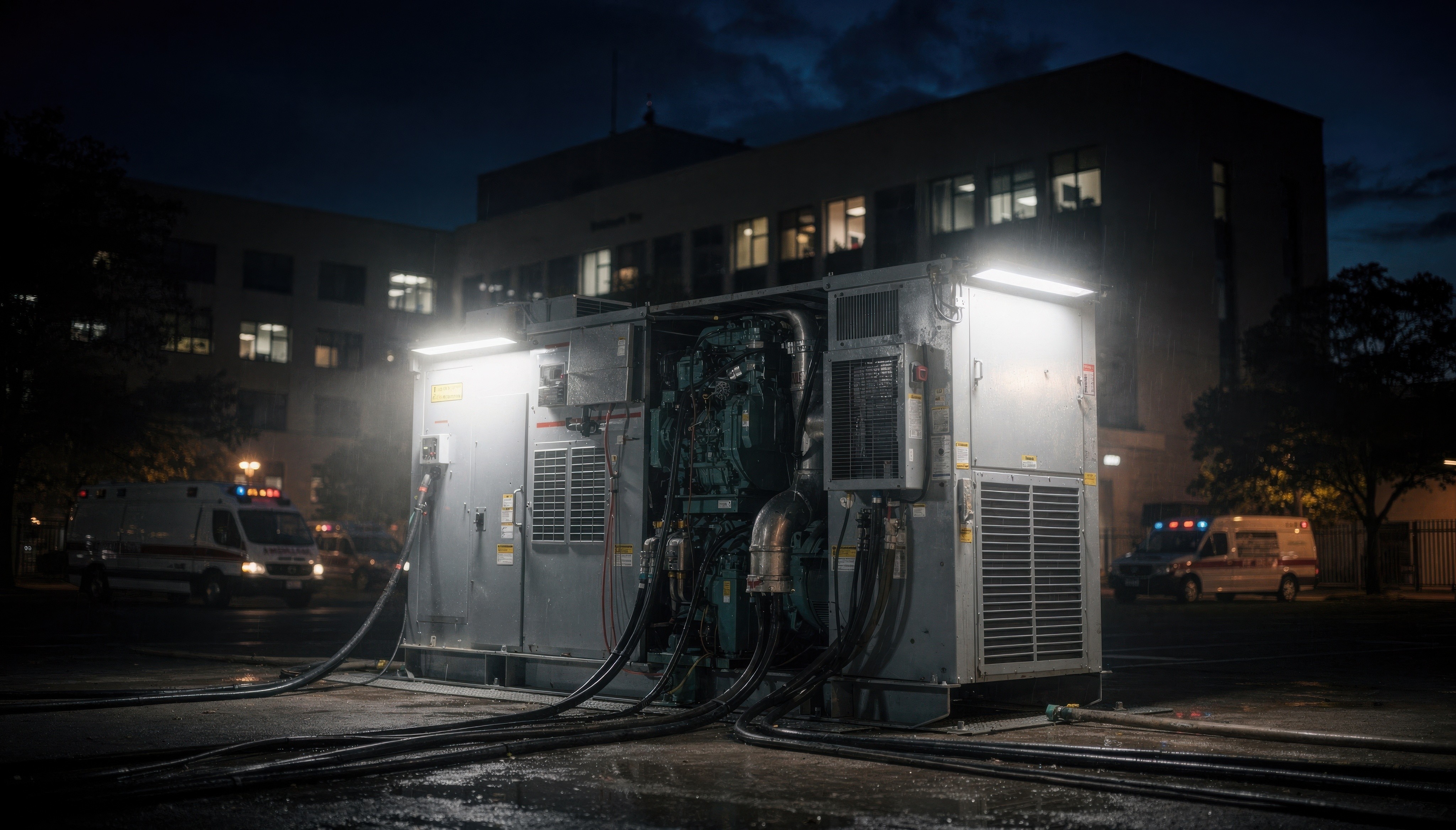
The National Oceanic and Atmospheric Administration's (NOAA) latest seasonal update, issued August 6, trimmed its 2026 Atlantic hurricane forecast to seven to thirteen named storms, with zero to two reaching major strength, and put the odds of a below-normal season at 75%. A rapidly strengthening El Niño is the reason why. For facility operators along the Gulf Coast, that reads as good news.
It shouldn't change what you do next.
A Quiet Season Still Only Takes One Storm
Storm count is a poor predictor of facility-level risk. Hurricane Andrew made landfall in 1992, a year with only six named storms total, and remains one of the costliest hurricanes in U.S. history. A below-normal season lowers the odds of any single facility taking a direct hit. It does not lower the consequences if that hit happens to be yours.
The math that actually matters isn't "how many storms this year." It's "what happens to my facility if the one that forms tracks toward me." That question doesn't get easier to answer with a favorable seasonal outlook, and treating a quiet forecast as a reason to defer resilience investment gets the risk backwards.
What an Outage Actually Looks Like in a Severe Storm
It's worth being specific about what "unprepared" costs, because the abstraction is where facilities lose their sense of urgency.
A direct hit doesn't produce a brief flicker and a quick restoration. Major hurricanes have historically knocked out power to millions of accounts for days, and in the worst-hit areas, for weeks, as utility crews work through downed transmission structures, broken poles, and damaged substations before they can even begin reconnecting individual facilities. During that window, a hospital or nursing home without sufficient backup capacity isn't managing an inconvenience, it's managing a life-safety emergency. A cold storage or food processing facility isn't losing a little inventory, it's losing the entire contents of every freezer and cooler on-site, often before a single insurance adjuster arrives. A manufacturing or distribution operation isn't delayed, it's dark for as long as the surrounding grid stays down, with no visibility into when that changes.
And restoration doesn't happen evenly. Utilities prioritize hospitals, emergency services, and high-population-density areas first. A standalone commercial facility, a rural distribution center, a mid-size manufacturing plant, these are often near the back of the queue, sometimes for a week or more after the storm has passed. If your facility's survival depends on when the utility gets to you, you don't control your own timeline. That is the actual risk a quiet forecast doesn't change.
The Regulatory Floor Keeps Rising Regardless of the Forecast
Facility-level outage requirements haven't loosened to match a quieter seasonal outlook, and they aren't going to. Florida requires nursing homes and assisted living facilities to maintain generator power and fuel sufficient to keep safe temperatures for at least 96 hours, a standard adopted after Hurricane Irma exposed what happens when that capacity doesn't exist. California's Assembly Bill 2511 sets the same 96-hour bar for skilled nursing facilities. These mandates apply every season, independent of what NOAA forecasts in August.
For hospitals, cold storage, food processing, and other facilities where an extended outage means lost product, lost revenue, or worse, the standard to meet doesn't move because the season looks calmer on paper.
The Part Most Facilities Get Wrong: Backup Capacity Isn't Binary
Most facilities assume they either have backup power or they don't. In practice, backup coverage exists on a spectrum, and the gap between "we have a generator" and "we can actually sustain critical operations through a multi-day outage" is where most facilities get caught off guard.
Generator runtime is only as good as fuel supply, and fuel logistics fail predictably during storm events. Commercial fuel preparedness typically intensifies in the 72 hours before landfall, with retail stations running dry as residents and businesses top off simultaneously, and post-landfall fuel delivery becoming uncertain for 24 to 96 hours after a storm passes, precisely the window when a facility on generator power needs it most. A facility with a generator but no reliable fuel plan for that window has backup power in name only.
Where EzFill Fits In: Fuel That Doesn't Depend on the Station Down the Street
This is the exact gap EzFill was built to close. Retail gas stations are a shared, finite resource, and in the days before a storm, every business and household in the evacuation zone is drawing from the same limited supply at the same time. A facility relying on sending someone to a station to fill cans or top off a generator tank is competing with everyone else in the region for fuel that may already be gone by the time they arrive.
EzFill delivers fuel directly to a facility on a scheduled or on-demand basis, independent of whether the station down the street has run dry. That means a facility can top off generator tanks and fuel reserves in the days before landfall without sending staff out to compete for supply, and can request delivery again as soon as it's safe to do so after the storm passes, rather than waiting for retail infrastructure to come back online. For a facility that has to be self-sufficient during exactly the window when local fuel supply is least reliable, that distinction is the difference between a generator that runs and one that doesn't.
One Plan, Not Three Separate Ones
Fuel delivery, backup generation, and battery storage are usually treated as three unrelated purchasing decisions made by three different people at three different times. That fragmentation is exactly what leaves gaps.
A facility that pairs on-site battery storage with a dependable fuel plan isn't choosing one over the other, it's covering the failure modes of each. Storage doesn't depend on a delivery reaching the site during the least reliable window of the storm cycle, so it can carry critical loads through the immediate outage. A dependable fuel plan, through EzFill, keeps generators running for the extended restoration period that follows, when a storage system alone may not have enough capacity to carry a facility for days. Layered together, and managed intelligently through NextNRG's Smart Microgrid Controller, these pieces cover a period no single system covers on its own.
That gap is exactly what a quieter season makes easy to ignore, since the pressure to fix it feels lower when the forecast looks favorable. But the facilities that get caught unprepared are rarely the ones that ignored an active season. They're the ones that assumed a quiet one meant they had more time.
What NextNRG Builds
NextNRG builds the Smart Microgrid Controller, a proprietary technology that continuously optimizes how energy is generated, stored, and consumed at a site. We deploy it with microgrid partners at commercial and industrial facilities, healthcare campuses, municipal operators, and fleet-intensive organizations, with no upfront capital required from the customer. We also sell EV chargers and operate a mobile fueling business serving fleets nationwide.
Find out how your facility would actually perform in an outage, before the season tests it. Send us your utility bills and current backup setup, and we'll show you the gap and quote what closes it. nextnrg.com
This post is for informational purposes only and does not constitute financial, legal, or engineering advice. NextNRG, Inc. (NASDAQ: NXXT).
Don’t Miss Out
Join our newsletter to get latest insights for your brand growth!