Most people pay their electric bill every month without ever quite knowing what a "kilowatt-hour" actually is, or why the number changes so much from one month to the next. Understanding it is actually not that complicated.
What a Kilowatt-Hour Actually Measures
A kilowatt-hour, abbreviated kWh, is a unit of energy, specifically, the amount of energy used when 1,000 watts of power run for one hour. A watt measures power, meaning how much energy something draws at any given moment. A kilowatt is simply 1,000 watts. So a kilowatt-hour combines two things: how much power something is drawing, and how long it draws it for.
Here's how that plays out with two everyday devices. A 100-watt light bulb draws 100 watts continuously while it's on. Left running for 10 hours, it uses 1,000 watt-hours, or 1 kWh. A 1,000-watt microwave draws ten times as much power, but if it only runs for 6 minutes, it uses roughly 0.1 kWh, a tenth as much energy, because it ran for such a short time. A device that draws a lot of power for a short burst can end up using far less total energy than a device that draws very little power but runs for hours. That's the part that trips people up: kWh isn't about how powerful something is, it's about how much energy it actually consumed, power multiplied by time.
Think of watts as speed and kilowatt-hours as distance traveled. A car's speedometer tells you how fast it's going right now, that's power. How far it actually gets depends on how long it drives at that speed, that's energy. Two cars can hit the same top speed, but the one that drives for three hours covers more distance than the one that drives for twenty minutes. Kilowatt-hours work the same way.
Why This Is What You're Actually Billed For
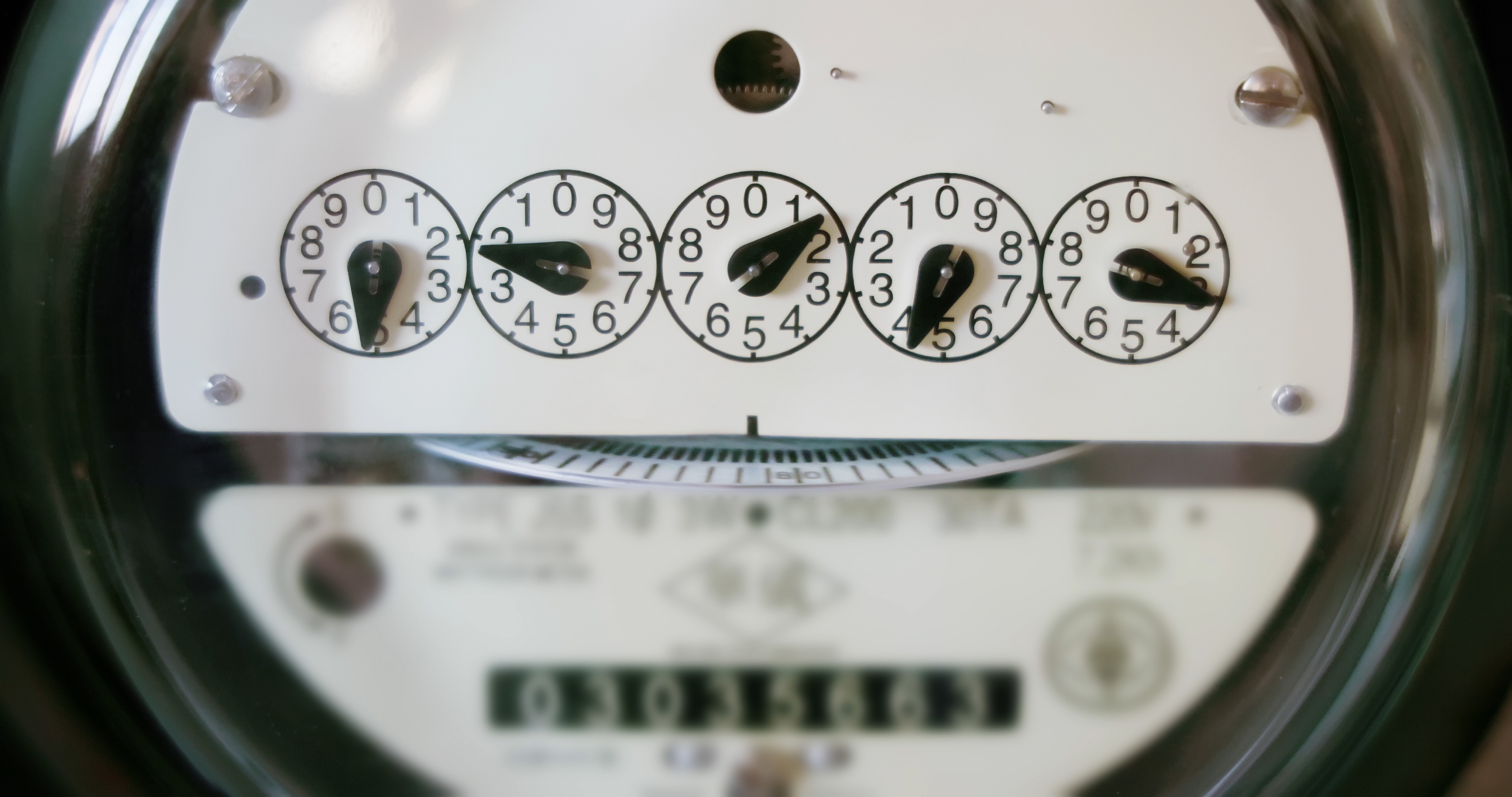
Your utility bill isn't charging you for having electricity available. It's charging you for how many kilowatt-hours you actually consumed over the billing period, measured by the meter at your home or facility.
The rate you pay per kWh varies by utility, region, and sometimes by time of day, but the unit itself doesn't change. Whether you're comparing bills across different months, different states, or different appliances, kWh is the common measurement that makes any of those comparisons possible.
It's also usually the largest line item on a bill, though not the only one. Most bills include a fixed monthly service charge that doesn't move regardless of usage. Commercial and industrial bills often add a separate charge tied to peak demand, the highest amount of power drawn at any single point in the billing period, a different measurement from kWh entirely, and a common reason two facilities with similar total usage end up with very different bills.
Once you understand the unit itself, a bill stops being an opaque number and starts being something you can actually make sense of.
What NextNRG Builds
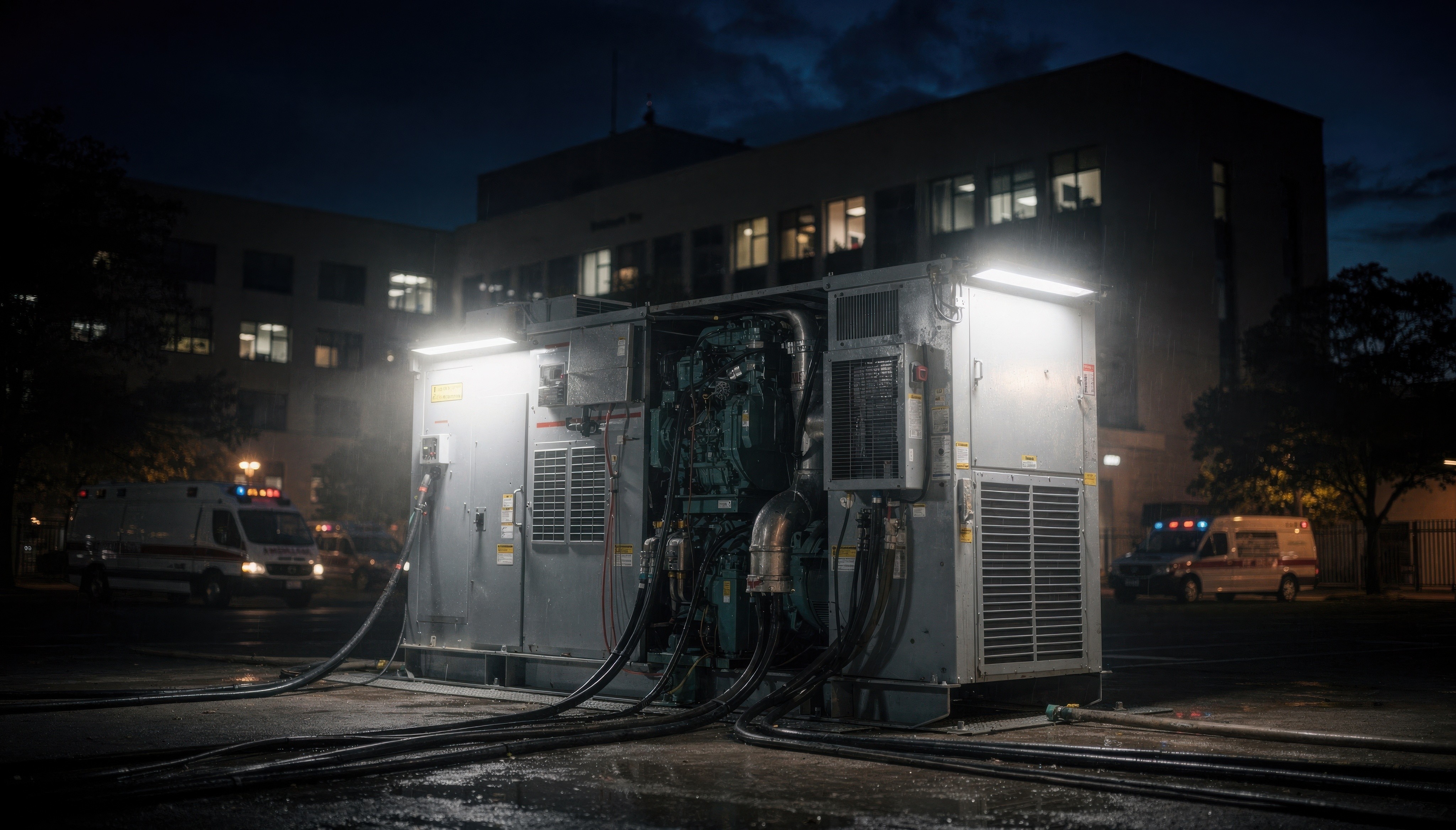
NextNRG builds the Smart Microgrid Controller, a proprietary technology that continuously optimizes how energy is generated, stored, and consumed at a site. We deploy it with microgrid partners at commercial and industrial facilities, healthcare campuses, municipal operators, and fleet-intensive organizations, with no upfront capital required from the customer. We also sell EV chargers and operate a mobile fueling business serving fleets nationwide.
Curious what your facility's energy usage actually looks like, kilowatt-hour by kilowatt-hour? Send us your utility bills, and we'll help you make sense of them. nextnrg.com
This post is for informational purposes only and does not constitute financial, legal, or engineering advice. NextNRG, Inc. (NASDAQ: NXXT).
Don’t Miss Out
Join our newsletter to get latest insights for your brand growth!