If you manage a food processing facility in California, Oregon, Washington, Illinois, or the broader Midwest, you already know that energy is one of your largest and most unpredictable operating costs. What you may not have fully quantified is how much of that bill is driven by a single line item that has nothing to do with how much energy you actually use.
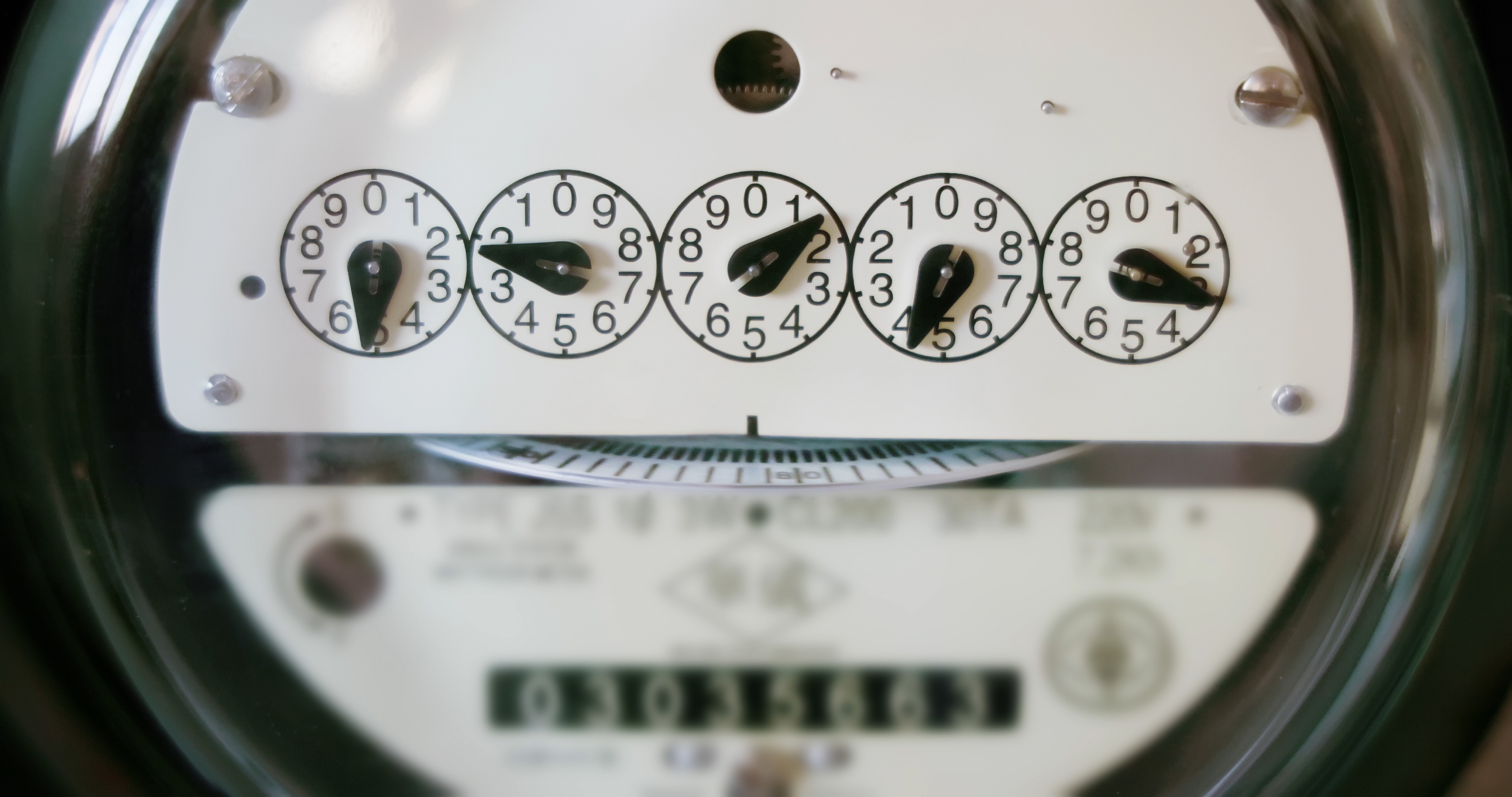
Peak demand charges (the fee your utility levies based on your facility's highest 15-minute power consumption window in a given billing period) can account for 30-50% of a food processing plant's total electricity bill. That charge resets every month. It penalizes you for the brief moments when your facility runs hardest, regardless of how efficiently you operate the rest of the time.
For food processing and cold storage operations running continuous refrigeration, high-draw processing equipment, and compressed air systems simultaneously, those peak windows are not anomalies. They are built into the nature of the operation. And for most facilities, they represent hundreds of thousands of dollars in annual charges that feel unavoidable. They are not.
Why Food Processing Facilities Are Particularly Exposed
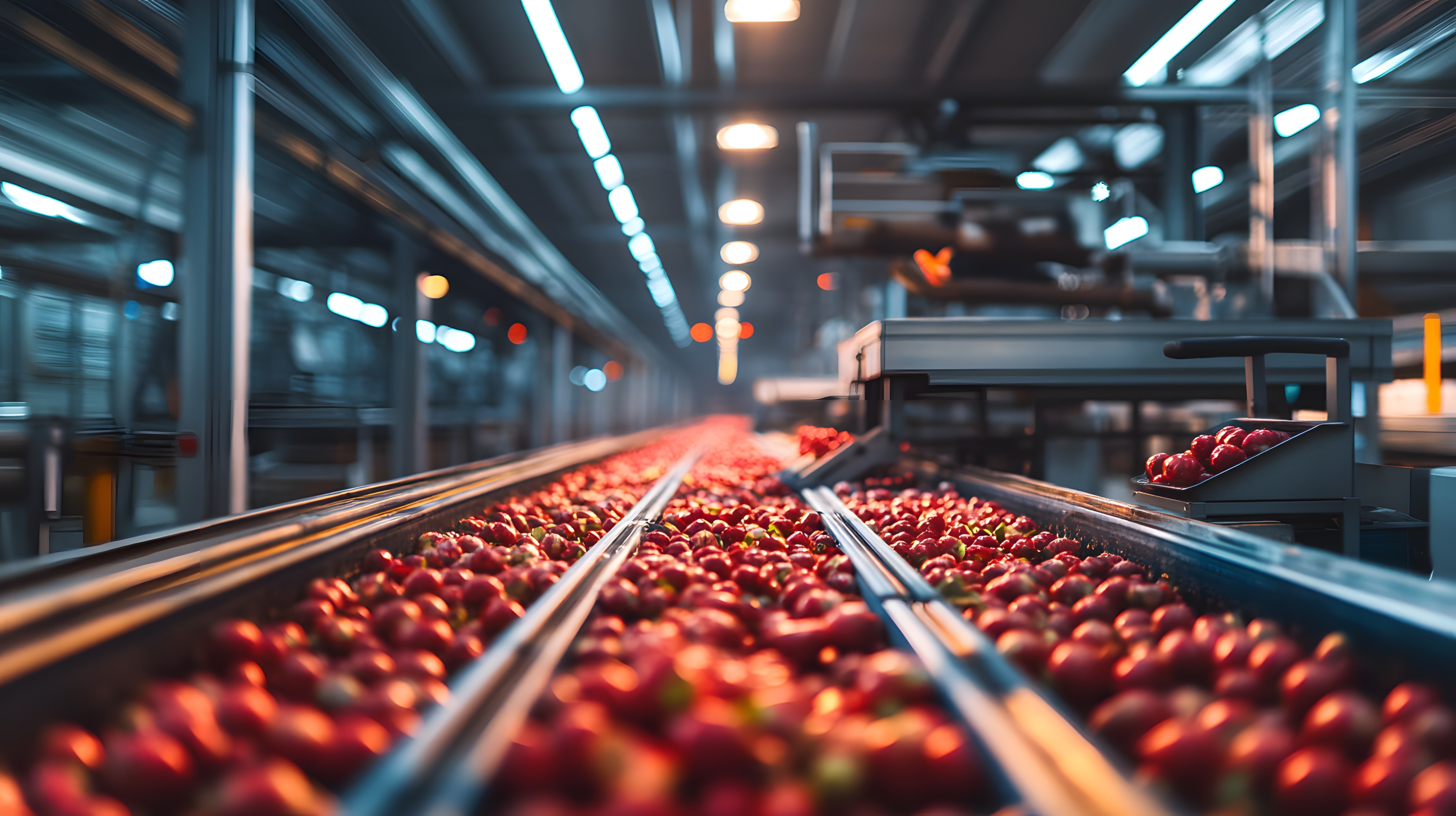
The energy profile of a food processing plant is unlike most commercial or industrial facilities. Several characteristics make peak demand charges especially punishing in this sector.
Continuous refrigeration loads. Cold storage, blast freezing, and temperature-controlled processing zones run around the clock. These loads do not flex easily. The moment refrigeration drops below threshold, product integrity and food safety compliance are at risk. The result is a baseload that is already high before any processing equipment comes online.
Concurrent equipment startup. Conveyors, mixers, pumps, compressors, and processing lines often start simultaneously at shift changes. The collective inrush current from multiple large motors starting at the same time creates demand spikes that can set a facility's peak demand charge for the entire month, even if that spike lasts only a few minutes.
Seasonal processing surges. Fruit and vegetable processing facilities in California's Central Valley, the Pacific Northwest, and the Midwest face intense seasonal demand during harvest periods. Summer and fall operations often run at maximum capacity during the same hours that utility grid pricing is at its peak. The combination of high internal demand and high grid prices creates a compounding cost exposure.
Limited operational flexibility. Unlike some commercial facilities that can shift energy-intensive processes to off-peak hours without affecting the core business, food processing operations are often constrained by raw material availability, food safety timing requirements, and customer delivery schedules. The ability to simply shift load is limited.
The result is a facility that pays premium rates for being exactly what it needs to be: a high-capacity, continuously operating food production environment.
What Peak Demand Charges Actually Cost at Facility Scale
The math is worth making concrete. A mid-size food processing facility with a peak demand of 2 megawatts, operating in a market with a demand charge of $15 to $20 per kilowatt per month, faces $30,000 to $40,000 in demand charges every single month, before a single kilowatt-hour of energy consumption is billed.
Annually, that is $360,000 to $480,000 in demand charges alone. For a larger facility with a 5 MW peak, the number exceeds $1 million per year.
These charges do not decline as your facility becomes more efficient at consuming energy. They track your peak, not your average. A facility that reduces consumption by 15% through efficiency measures but does not address its peak demand profile will see minimal reduction in demand charges. The peak is the problem, and efficiency measures alone do not solve it.
How Battery Storage Eliminates Peak Demand Charges
Battery energy storage systems address peak demand charges directly by intervening at the moment the demand spike occurs. A properly sized and intelligently controlled battery system monitors your facility's real-time power consumption and dispatches stored energy during high-demand windows, effectively capping your demand at a lower setpoint before the utility meter records a new peak.
The mechanics are straightforward. During off-peak hours, typically overnight, the battery charges from the grid at low rates. During high-demand periods, the battery discharges to supplement grid power, preventing your facility's demand from reaching the levels that would otherwise set a new peak charge. The utility meter sees a lower peak. Your demand charge drops accordingly.
For a food processing facility with the demand profile described above, peak demand charge reduction of 40-60% is achievable with a properly designed system. On a facility spending $400,000 annually on demand charges, that is $160,000 to $240,000 in annual savings from demand charge reduction alone, before accounting for energy arbitrage, resilience value, or federal incentives.
The key word is intelligently. A battery system without sophisticated control logic and accurate load forecasting will not consistently hit the demand reduction targets that justify the investment. The system needs to anticipate when peaks will occur, not react to them after the fact, and position stored energy accordingly.
The Resilience Dimension: What a Grid Outage Costs a Food Processing Facility
Peak demand charge reduction is the financial case for battery storage. Resilience is the operational case, and in food processing it is equally compelling.
A grid outage at a food processing facility is not simply an inconvenience. It is a cascade of specific, quantifiable losses. Refrigerated and frozen inventory loses temperature within hours. Product that cannot be documented as having maintained continuous cold chain compliance must be discarded or tested at significant cost. Processing lines shut down mid-cycle, leaving product in states that may not be recoverable. Cleaning and sanitation protocols must be restarted. USDA or FDA inspectors may need to be notified depending on the nature of the interruption.
For a facility processing perishable goods in California, Oregon, or the Midwest during peak season, a single 4-6 hour outage can result in product losses of $200,000 to $500,000 or more, depending on inventory levels and product value. When you add labor costs for cleanup and restart, regulatory notification obligations, and customer penalties for missed delivery commitments, the total cost of a single significant outage can exceed $1 million at a large facility.
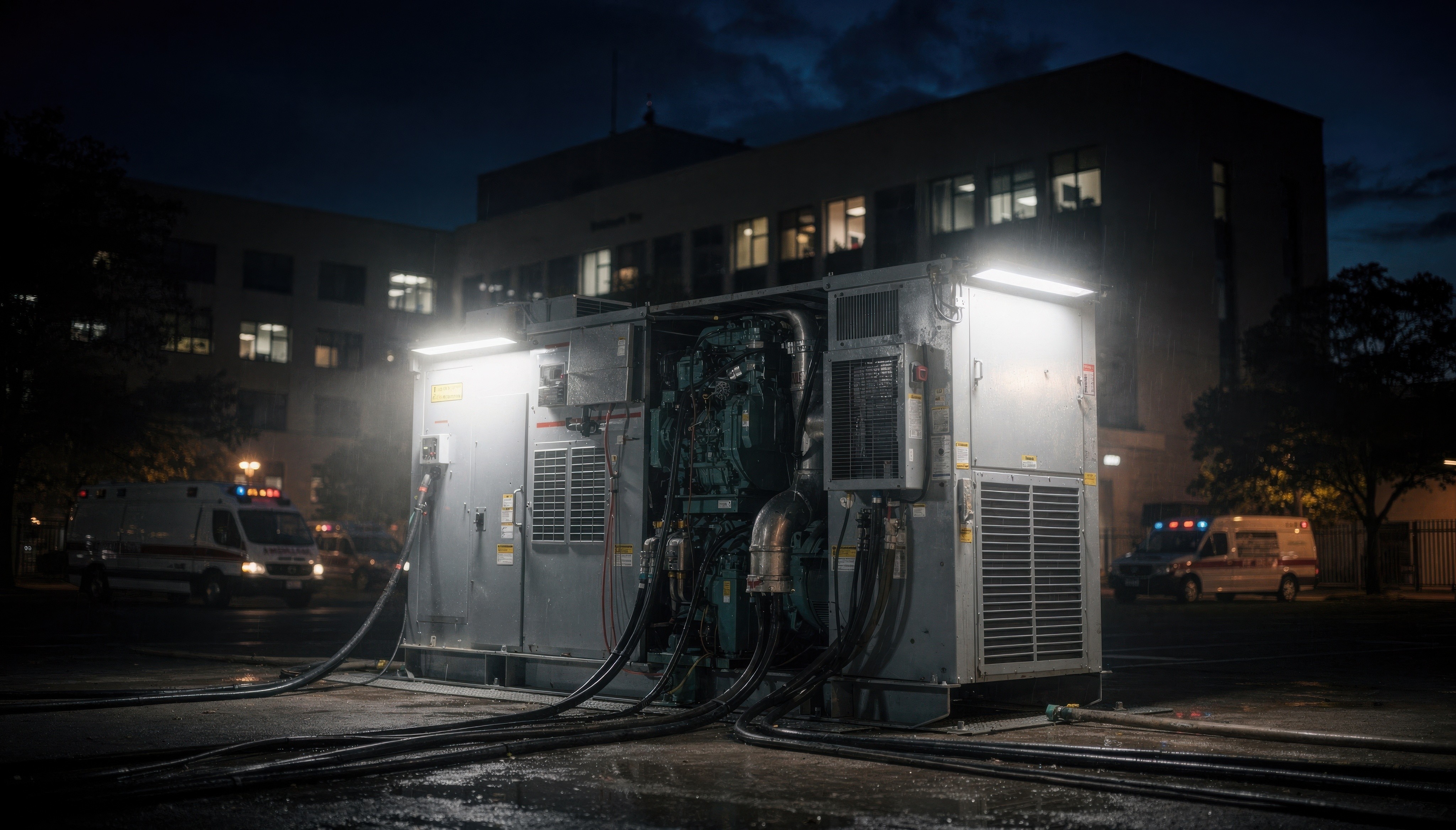
A microgrid with islanding capability eliminates this exposure. When the main grid fails, the system transitions to island mode within milliseconds, maintaining continuous power to refrigeration, critical processing lines, and safety systems without the 30 to 45 second gap of a traditional diesel generator startup. The facility continues operating. The cold chain remains unbroken. The product is protected.
On-Site Solar: The Third Layer of the Energy Cost Solution
Battery storage addresses peak demand charges and resilience. On-site solar generation adds a third layer of value by reducing the total volume of grid energy a facility purchases.
For food processing facilities in California, Oregon, and the Midwest, rooftop and ground-mounted solar can offset 20-40% of annual energy consumption depending on facility size, roof area, and local solar resource. Combined with battery storage that shifts self-generated solar energy to the highest-value consumption windows, the annual energy cost reduction compounds significantly.
The NEC 2026 regulatory changes have made it easier and less expensive to deploy integrated solar, storage, and load management systems at industrial facilities. Power Control System requirements now allow facilities to right-size their electrical service based on managed demand rather than theoretical peak load, in some cases eliminating the need for costly grid service upgrades when adding solar and storage capacity.
Federal incentives under the Inflation Reduction Act further improve the economics. The Investment Tax Credit covers 30% of solar and storage project costs, with additional credits available for domestically manufactured equipment and projects in qualifying geographic areas. For a $3 million solar-plus-storage system, the net capital cost after incentives can be under $2 million, and Power Purchase Agreement financing structures can eliminate the need for upfront capital entirely.
What NextNRG Brings to Food Processing Facilities
NextNRG designs and operates AI-driven microgrid systems purpose-built for the operational complexity of food processing, cold storage, and industrial facilities. Our platform is engineered for continuous, high-draw environments where energy management cannot interfere with production or food safety requirements.
RenCast, our AI-driven forecasting platform, generates site-specific load and solar generation forecasts that give our control systems the visibility to position battery storage ahead of demand spikes rather than reacting to them. For a food processing facility with predictable shift-change demand patterns and seasonal production surges, this forecasting precision is what separates a system that consistently hits its demand reduction targets from one that misses them.
The HOPES Controller manages real-time energy dispatch across solar generation, battery storage, and grid power simultaneously, optimizing for demand charge reduction, energy cost minimization, and resilience at the same time. It enforces demand setpoints automatically, without requiring operator intervention, and adjusts dynamically as production schedules and weather conditions change.
Our Microgrid Controller provides seamless islanding capability, transitioning the facility to independent operation within milliseconds of a grid event. For cold storage and food processing environments where the cold chain cannot be interrupted, this response speed is not a specification detail. It is a food safety requirement.
We structure projects to maximize federal incentive capture and offer Power Purchase Agreement financing for facilities that prefer to avoid upfront capital expenditure. Under a PPA, NextNRG owns and operates the system and the facility pays a fixed rate for the energy and demand management services delivered, typically below current utility rates and locked in for the term of the agreement.
Contact the NextNRG team at nextnrg.com to schedule a site assessment and energy analysis for your facility.
Federal incentive availability and program terms are subject to change. Energy cost savings estimates are illustrative and based on representative facility profiles. Actual results vary by facility size, location, utility rate structure, and operational profile. This post is for informational purposes only and does not constitute investment or financial advice. NextNRG, Inc. (NASDAQ: NXXT).
Don’t Miss Out
Join our newsletter to get latest insights for your brand growth!