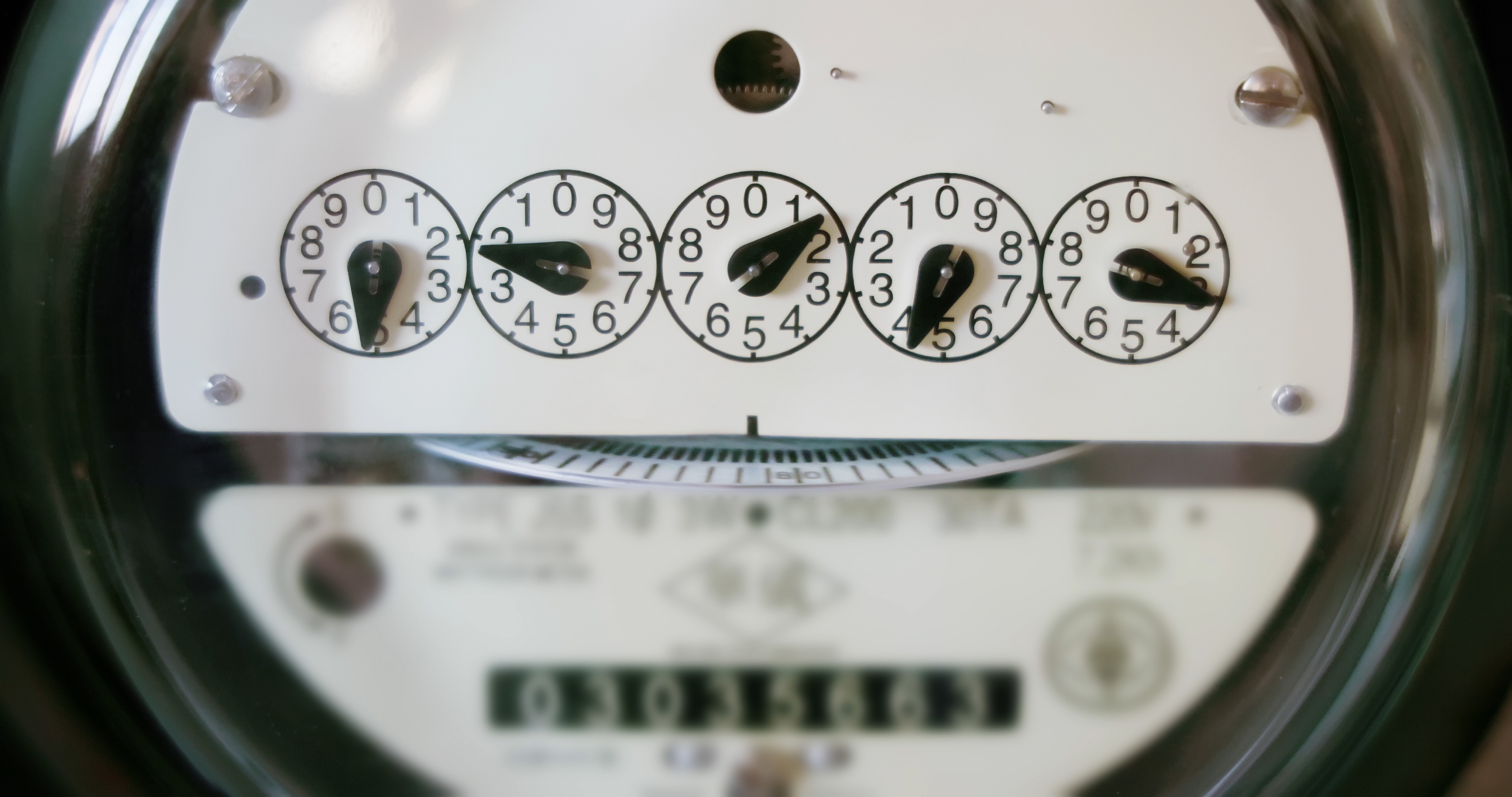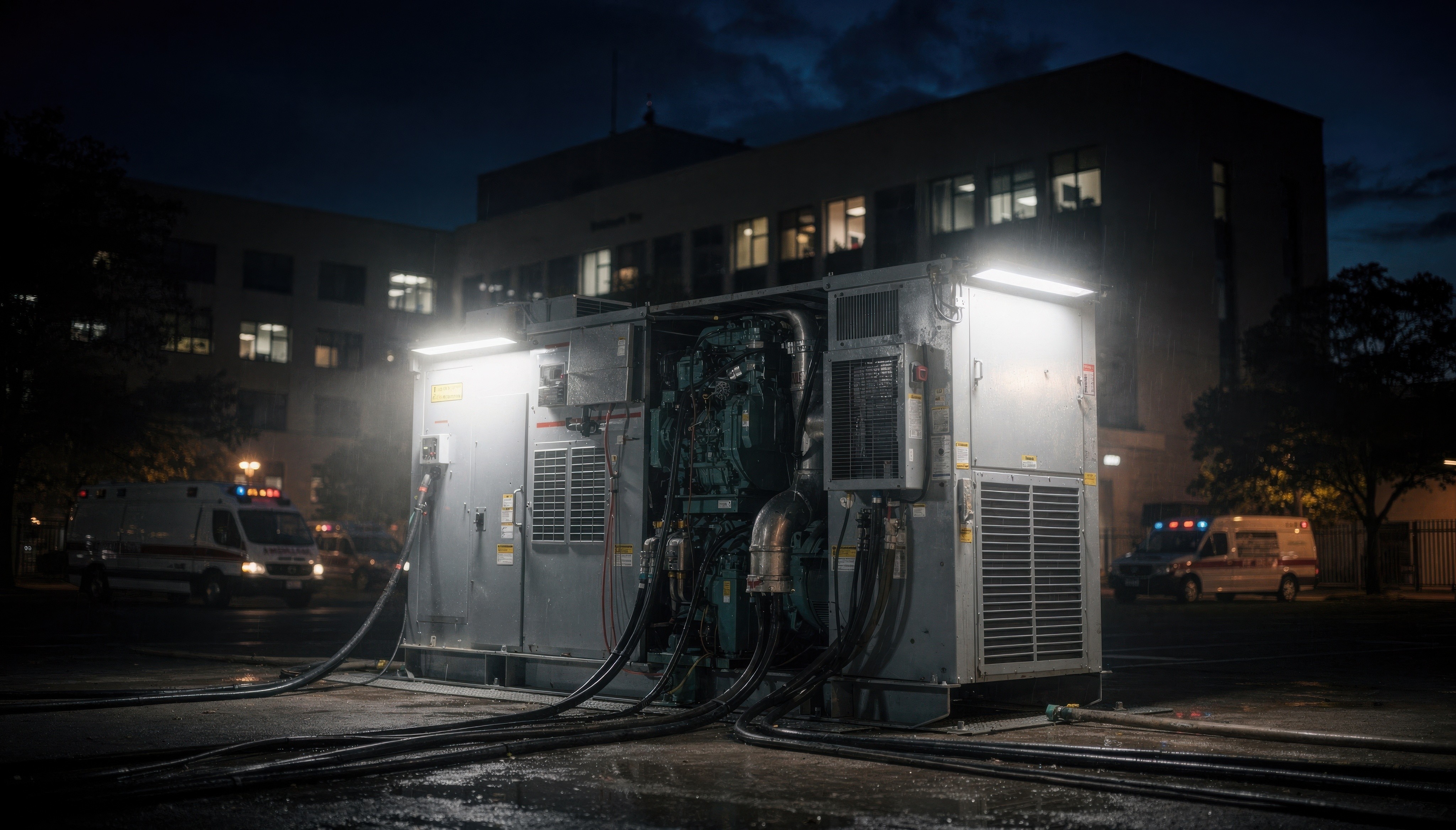
Solar crossed a threshold in 2025 that no energy source has crossed before. The International Energy Agency's 2026 Global Energy Review is unambiguous: solar accounted for more than 25% of all global energy supply growth last year, adding roughly 600 terawatt-hours of generation worldwide. That is the largest single-year increase ever recorded for any power technology, not just for renewables. For any source, anywhere, in any year on record. The energy transition is no longer a forecast, it is in the present tense.
What the IEA Data Actually Shows
Global electricity demand rose approximately 3% in 2025, more than twice the rate of overall energy growth. Solar met more than a quarter of that increase on its own. Battery storage added 110 gigawatts of new capacity globally, surpassing the record for annual natural gas additions. Electric vehicle sales exceeded 20 million vehicles worldwide, roughly one in four new cars sold. Renewables and nuclear together met nearly 60 percent of total energy demand growth.
IEA Executive Director Fatih Birol stated it directly: electricity demand is growing much faster than overall energy consumption, and solar is growing faster than everything else. These are not projections, they are confirmed 2025 outcomes. Hitting 25 percent of global energy growth is impressive, but the harder and more important problem is what happens next: how do you actually coordinate and dispatch all of that variable generation effectively?
Generation Is No Longer the Bottleneck, Management Is.
A decade ago, the central question in clean energy was whether solar and battery storage could scale fast enough and cheaply enough to matter. That question is settled. Solar scaled, costs fell, the hardware is here. Now the question is what you do with it?
Solar output is variable. It peaks at midday, drops at evening, and fluctuates with cloud cover and seasonal patterns. Battery systems have finite capacity and cycle limits. EVs and AI data centers are adding large, unpredictable new loads to distribution networks, and grid infrastructure across the United States and most developed markets was not designed for a world where 25% of annual supply growth arrives intermittently from distributed rooftop and utility-scale solar simultaneously.
The facilities and utilities that add solar and storage without the intelligence layer to coordinate them will not capture the value they are investing in. They will have expensive hardware that underperforms relative to its potential. The difference between a solar-plus-storage system that delivers its modeled returns and one that doesn't is almost never the panels or the batteries. It is the software managing when to charge, when to discharge, when to export, and when to hold capacity in reserve.
Why This Matters for U.S. Grid Operators and Commercial Facilities
The IEA data points to a structural shift that is already reshaping how utilities plan and how commercial energy users compete.
In the United States, solar is growing fastest in Texas, California, and the Southwest, markets that are simultaneously absorbing the largest new loads from AI data centers, EV charging infrastructure, and industrial electrification. The combination of high solar penetration and rapidly growing demand creates grid conditions that require real-time coordination at a level that legacy control systems were not built for.
For commercial and industrial facilities running on-site solar and storage, the stakes are direct. Demand charge reduction, energy arbitrage, and resilience value are all real returns, but only if the system dispatches intelligently. A battery that charges at the wrong time, or a solar array that curtails generation because storage is already full, does not deliver the financial model that justified the investment.
For utilities managing distributed solar across a service territory, the challenge is coordination at scale. Customer-sited solar and storage that operates without visibility or control creates as many grid management problems as it solves. The utilities that treat distributed resources as controllable assets rather than passive loads are the ones building competitive infrastructure for the decade ahead.
What NextNRG Builds for This Environment
NextNRG's platform is designed for exactly the management challenge the IEA data makes concrete.
The core problem with solar at scale is timing. Solar generates abundantly at midday and tapers off in the late afternoon, precisely when residential and commercial demand peaks. Without accurate forecasting, a facility cannot prepare its battery storage for that transition. It either over-discharges early and has nothing left for the peak, or it holds too much in reserve and misses the arbitrage window entirely.
RenCast addresses this directly. Rather than relying on regional weather data, it generates site-specific solar output forecasts at 15-minute resolution, accounting for the actual orientation, shading profile, and asset configuration of a specific installation. That precision is what makes proactive dispatch possible rather than reactive.
The HOPES Controller takes those forecasts and translates them into real-time dispatch decisions across a facility's full asset mix: when to charge, when to discharge, when to curtail, and when to export. For a commercial facility running solar, storage, and active loads simultaneously, that coordination is what separates a system that performs as modeled from one that degrades faster than expected because of poorly timed cycling.
For utilities managing distributed solar across a service territory, the challenge compounds with scale. Thousands of customer-sited solar installations operating without coordination create as many grid management problems as they solve. NextNRG's DERMS platform gives utilities the visibility and control needed to treat those assets as dispatchable resources rather than unpredictable variables, which is increasingly what grid operators need as solar penetration rises.
The IEA has confirmed that solar is now the dominant force in global energy supply growth. The value of that transition goes to the operators who manage it well. The hardware is the entry point. The intelligence layer is where the returns are captured.
Contact the NextNRG team at nextnrg.com to learn more.
Source: International Energy Agency, 2026 Global Energy Review. This post is for informational purposes only and does not constitute investment advice. NextNRG, Inc. (NASDAQ: NXXT).
Don’t Miss Out
Join our newsletter to get latest insights for your brand growth!