Why This Matters Now
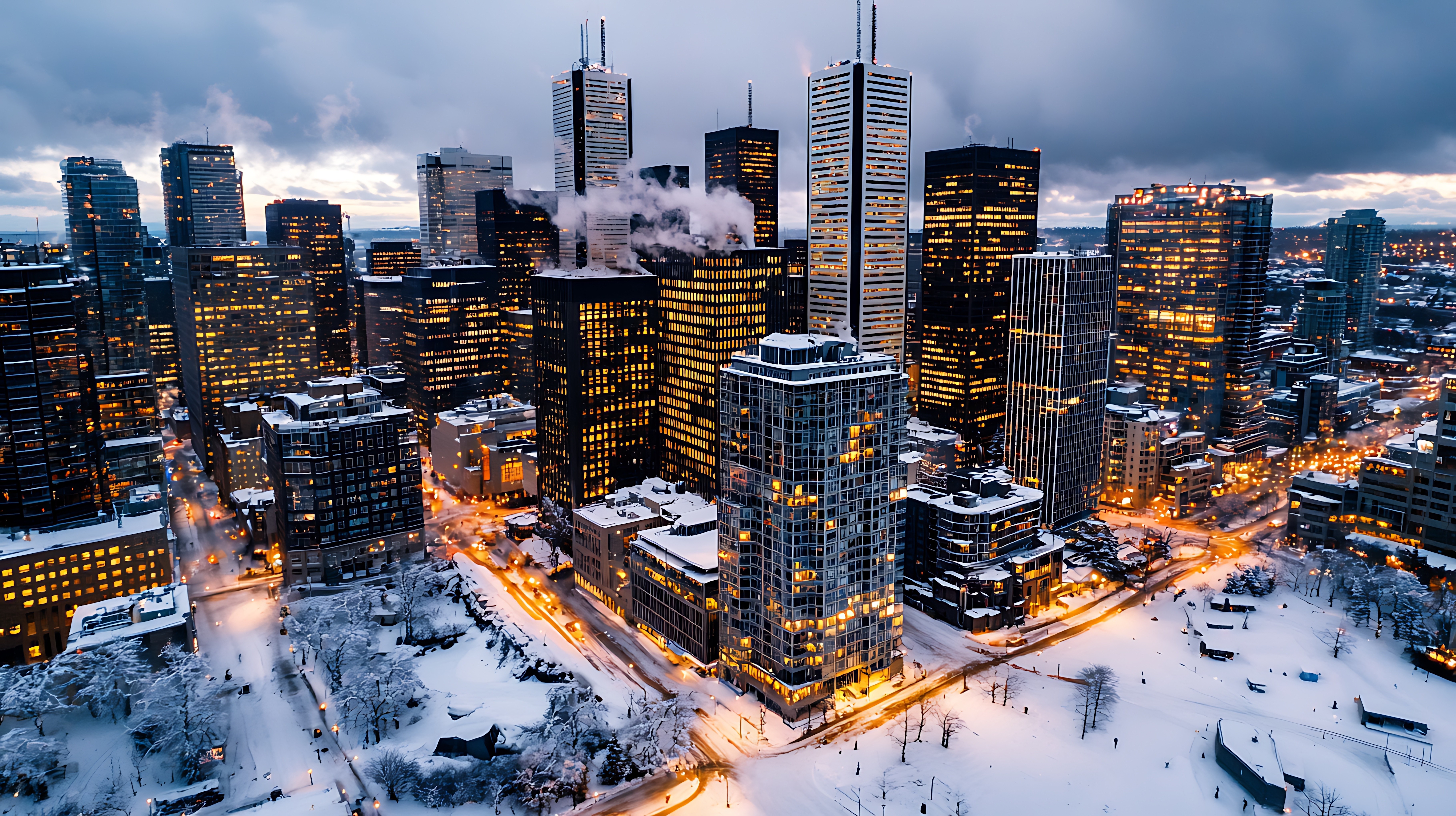
This past weekend, a severe winter storm swept across the Northeast, bringing heavy snowfall, high winds, and freezing temperatures that strained regional power infrastructure. Hundreds of thousands of customers experienced power outages as transmission lines and substations were impacted by ice accumulation and storm damage.
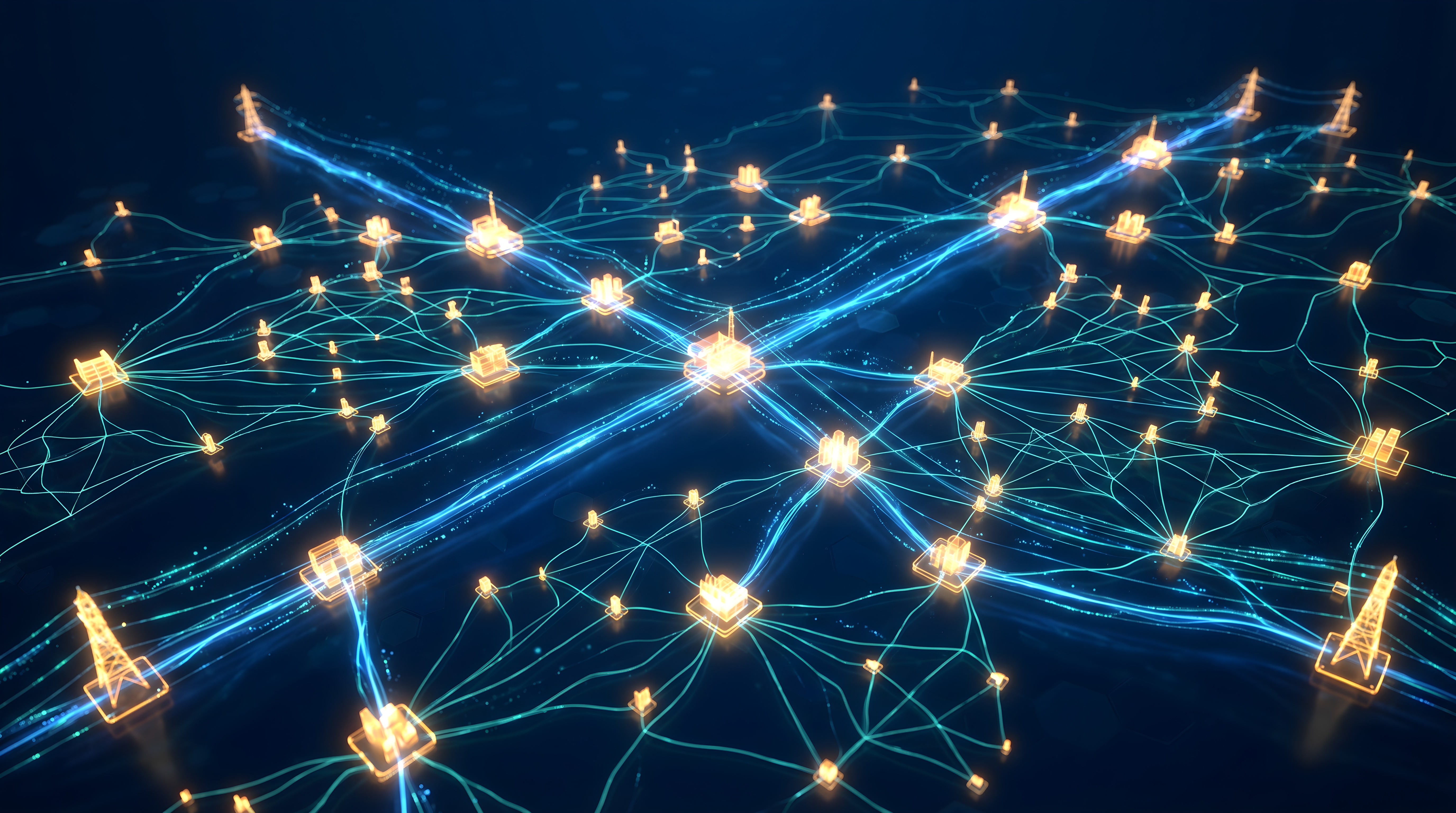
Events like this continue to highlight a structural issue within the centralized electric grid. When large portions of the grid fail, restoration depends on long-distance transmission, physical access, and manual repairs. Localized energy systems, by contrast, allow critical facilities to maintain power even when broader grid conditions deteriorate.
Winter storms in the Northeast are no longer isolated disruptions. They are recurring stress tests for grid resilience.
Solar Generation During Winter Storm Power Outages
A common misconception is that solar energy is ineffective during snowstorms. In practice, solar panels in microgrids strengthen reliability and often resume output more quickly than expected following winter weather events.
Snow rarely adheres to active solar panels for long periods. As sunlight returns, even under cold conditions, thin snow layers melt and slide off. In many cases, solar generation recovers faster than centralized grid infrastructure, providing an early source of local power during outages.
When paired with battery storage, solar energy can continue supporting critical loads during prolonged winter storm power outages across the Northeast.
Microgrids and Grid-Forming Inverters
The second major advantage comes from microgrid architecture, specifically the use of grid-forming inverters.
Grid-forming inverters allow a microgrid to operate independently of the centralized grid by establishing local voltage and frequency. Rather than waiting for grid stability, these systems transition automatically into islanded mode during disturbances.
This capability is essential during winter storms, when voltage instability, cascading outages, and delayed restoration are common across large regions. Microgrids maintain balance between solar generation, battery storage, and site loads, ensuring continuous operation even when external grid conditions are compromised.
Intelligent Control and Automated Grid Isolation
NextNRG platforms integrate microgrids, solar, and energy storage through an intelligent control layer designed for grid resilience.
The system continuously monitors grid conditions. When disturbances are detected, it isolates the microgrid automatically, stabilizes local assets, and prioritizes critical loads. When grid power is restored, the platform transitions operations back to grid-connected mode without manual intervention.
This automated response reduces uncertainty for operators during severe weather events and minimizes downtime during Northeast winter storms.
Energy Independence During Cold Weather Events
Energy independence is not about replacing the grid. It is about reducing exposure to grid failure.
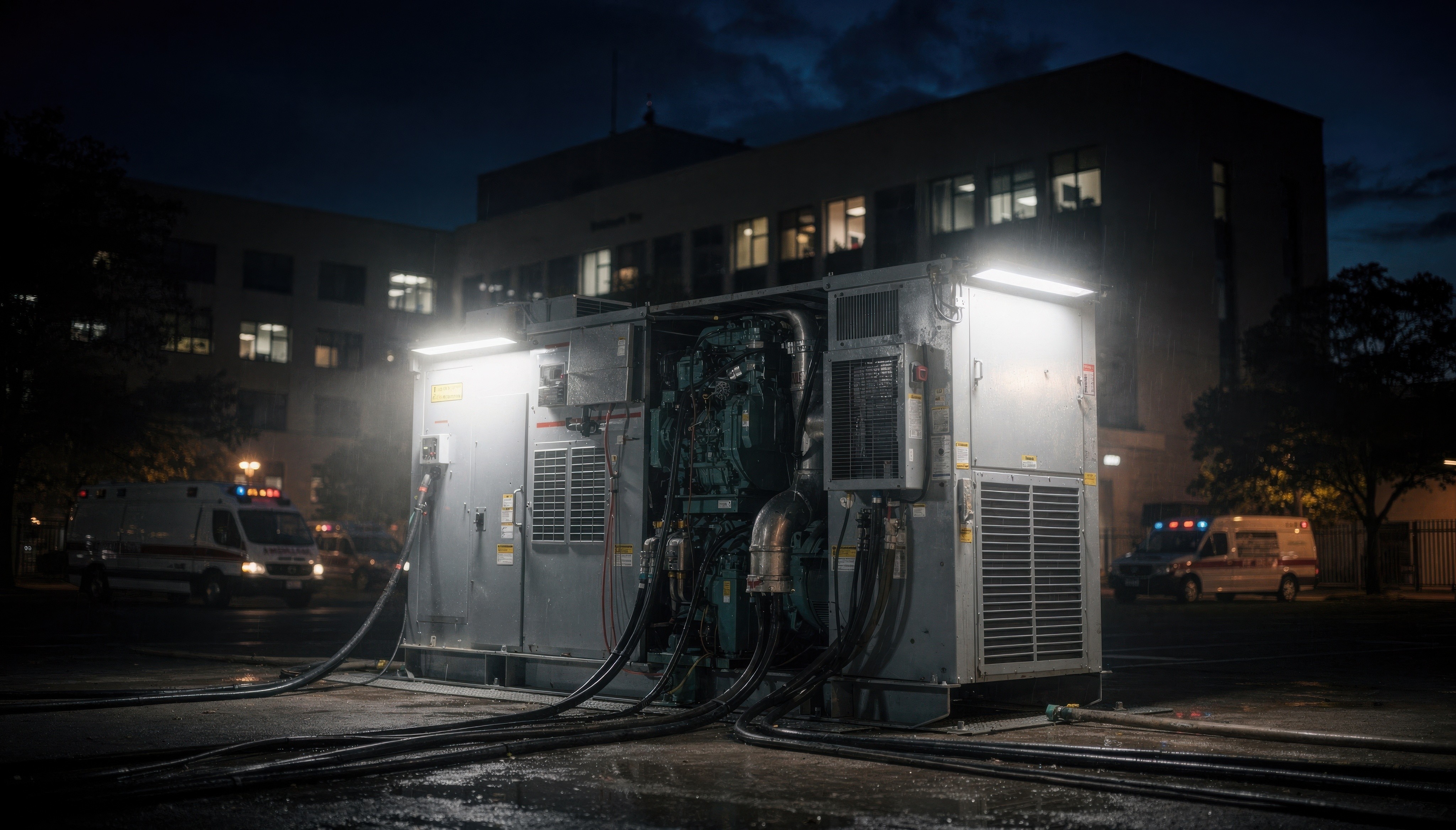
During cold weather power outages, access to local energy generation becomes critical. Heating systems, refrigeration, communications infrastructure, and operational continuity all depend on reliable power. Microgrids supported by solar and battery storage allow sites to maintain control during extended outages, even as restoration efforts continue elsewhere.
For many facilities, the difference between shutdown and continued operation is defined by whether local energy systems are in place before a storm hits.
Key Considerations for Operators and Utilities
Solar output often resumes quickly after snowfall
Microgrids provide localized power during grid outages
Grid-forming inverters establish stable voltage and frequency
Automated islanding reduces outage response time
Battery storage extends support during prolonged winter storms
Local energy systems improve grid resilience in the Northeast
A Structural Shift Toward Resilient Energy Systems
Microgrids do not replace the centralized grid. They complement it by reducing outage exposure and creating controlled operating environments during extreme weather events.
As winter storms continue to challenge power infrastructure across the Northeast, grid resilience will increasingly depend on distributed energy resources, intelligent controls, and localized power generation. Systems designed to operate through disruption are becoming a critical layer of modern energy infrastructure.
Don’t Miss Out
Join our newsletter to get latest insights for your brand growth!